
Zayed National Museum, A Museum for Everyone
When visitors step into the sweeping atrium of Zayed National Museum this December, many will pause in awe at the magnificent arcs of steel and stone, which resemble falcon wings soaring skyward. Designed by Foster + Partners, the building is both a remarkable sculptural monument and a symbolic landmark: a national museum housed in a structure of architectural brilliance rising from the sands and mirroring the strength and grace of the United Arab Emirates’ cultural heritage.
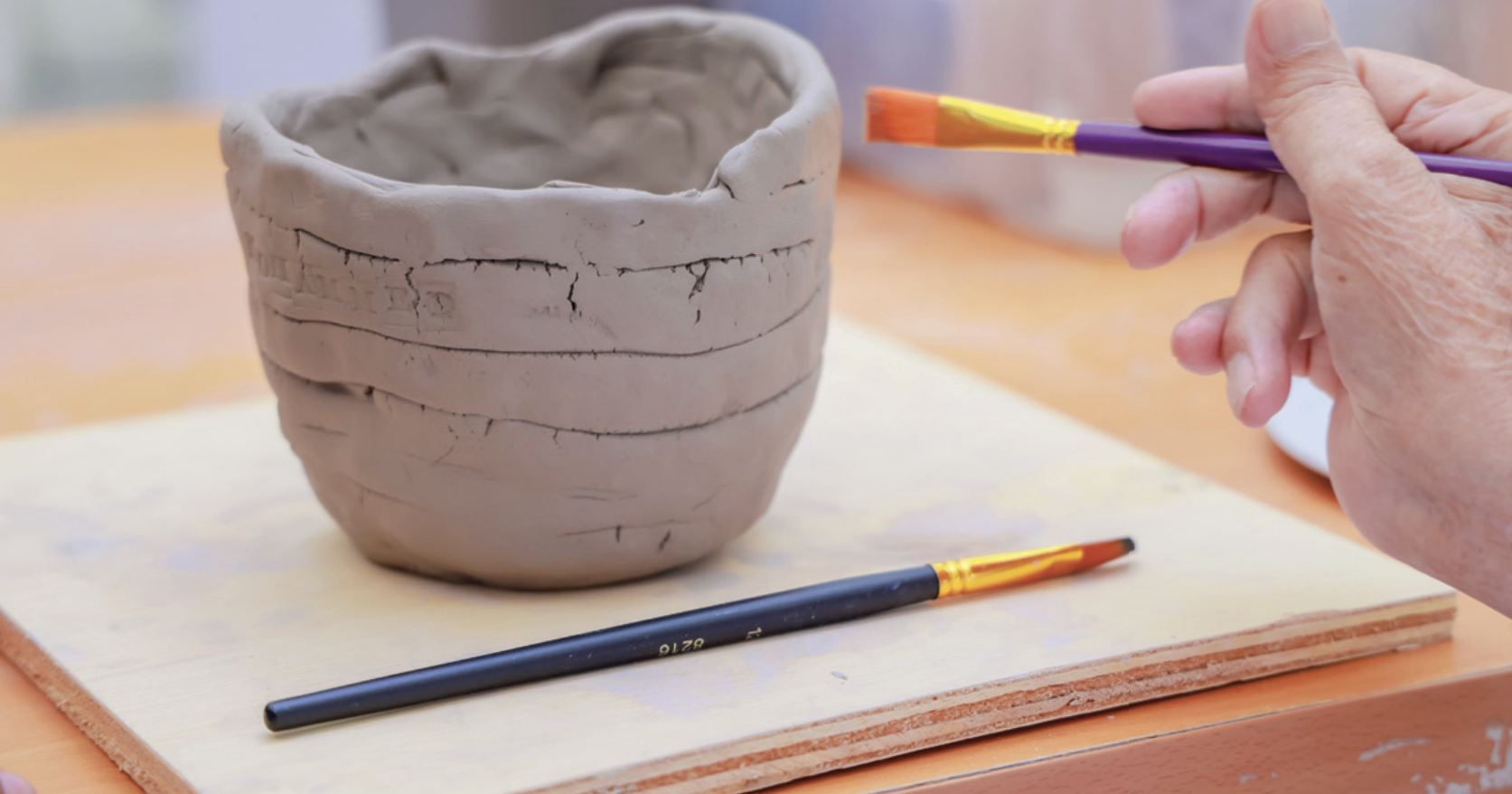
‘Al Dhuha Hour Programme’, offer calmer, lower-sensory access to the galleries for visitors on autism spectrum and senior citizens, including those living with dementia. ©Zayed National Museum
Inside, the story of the Founding Father, the late Sheikh Zayed bin Sultan Al Nahyan unfolds in rich detail. His childhood in the deserts of Al Ain, his pioneering leadership and his enduring legacy are all explored in immersive galleries designed to engage, educate and inspire. Visitors will encounter archaeological finds, oral histories and intimate objects that speak to the founding values of the nation.
But amid the monumental architecture and national narratives, there are subtler details too, ones that might only catch the eye of the observant. A small sunflower pin on the collar or lanyard of a museum staff member, and the same vivacious yellow-petalled flower on a lanyard, nestled beside the ticket counter. These humble symbols are part of the globally recognised Hidden Disabilities Sunflower programme, introduced for the first time in a cultural institution in the Middle East at Zayed National Museum. They indicate that the wear is trained to assist individuals with non-visible disabilities, treating them with patience, sensitivity, and care.
That quiet gesture is emblematic of the museum’s deeper design vision: that accessibility is not an added feature, but a foundational ethic. “Accessibility at Zayed National Museum goes beyond compliance,” says Nassra Al Buainain, Director of Learning and Public Engagement. “It is rooted in creating a space where every visitor feels they belong and honouring the values of compassion that defined Sheikh Zayed’s leadership.”
From visual story guide that help ease anxiety before a visit, to a sensory map marking quiet corners and high-stimulation zones, the museum has curated every layer of its visitor experience with attention to diverse needs. Monthly ‘Quiet Mornings’ and ‘Al Dhuha Hour Programme’ offer calmer, lower-sensory access to galleries for visitors on the autism spectrum and senior citizens, including those living with dementia. Sensory kits and a purpose-built Calm Room allow guests of all ages to manage sensory overload and regroup in comfort. “We strive to ensure that the stories we tell represent the full spectrum of our society and reflect the diverse identities that shape the nation,” says Al Buainain.
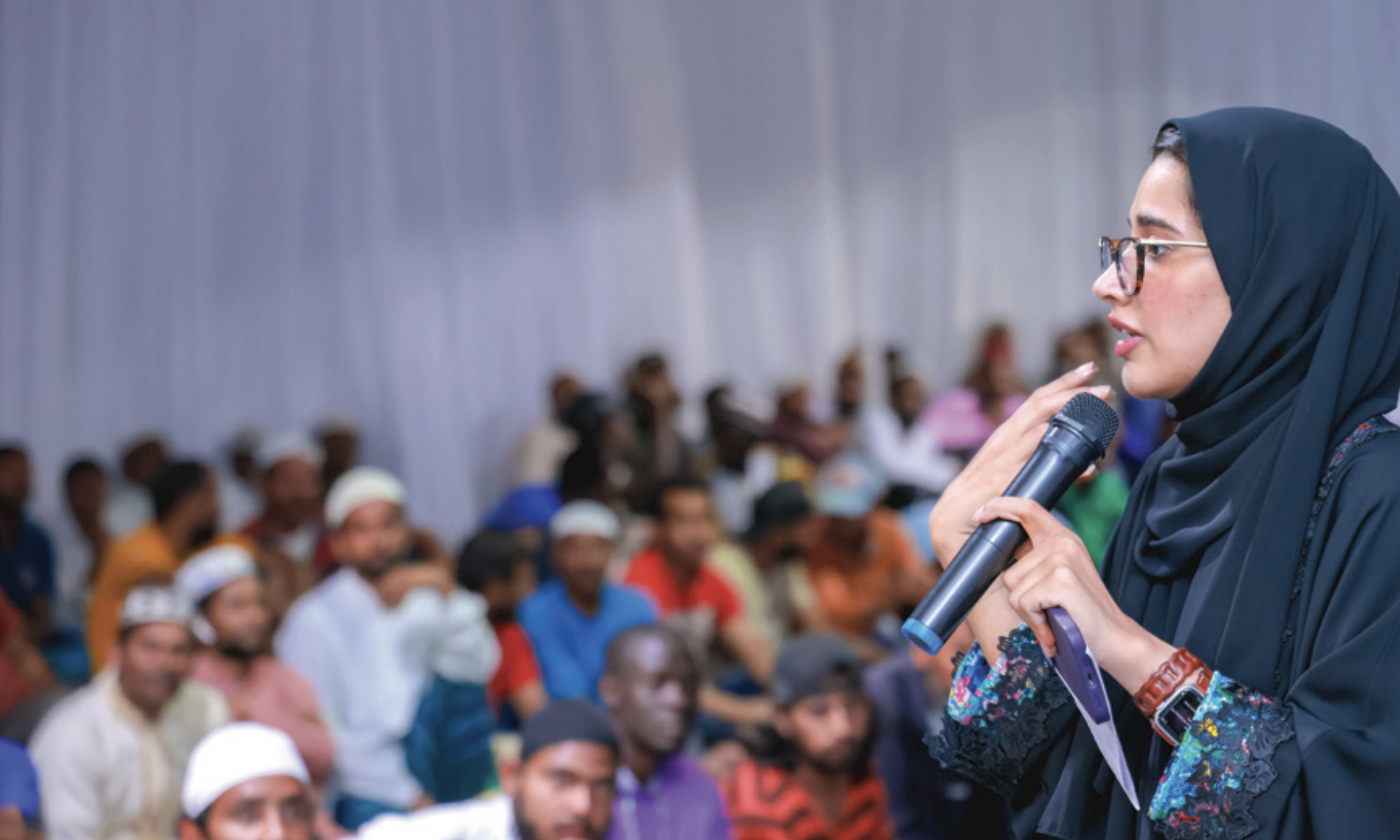
Nassra Al Buainain, Director of Learning and Public Engagement at Zayed National Museum. ©Zayed National Museum
Even the storytelling is designed to be inclusive. Emirati Sign Language tours are led by deaf museum experience specialists. Tactile stations accompany braille labels in both Arabic and English for visitors with visual impairments. Programmes like Beyond Sight and Sensory Journeys invite communities with visual or intellectual disabilities and their families to explore the museum through touch, sound, and creative expression. Additionally, this commitment to accessibility is not confined to the museum’s infrastructure but extends into the methods by which the institution engages with its communities. Rather than assuming the needs of diverse audiences, Zayed National Museum has adopted a co-creative, dialogue-based approach to developing its programming, policies, and services.
From the early stages of planning, the museum has worked directly with People of Determination, special education centres, senior citizens, caregivers, individuals living with dementia and other groups who might face barriers accessing the museum, to co-design meaningful experiences. These partnerships are integral to the museum’s ethos of building long-term, trust-based relationships with the communities it serves.
“We have adopted a co-creative approach from the very beginning,” says Al Buainain. “Through ongoing consultation with People of Determination, their families and relevant organisations, we have ensured that our programmes and facilities reflect real needs and lived experiences.”
This participatory approach has shaped the museum’s entire accessibility offering, from sensory-friendly visits and sign-language tours to dementia-accessible programming. These are not one-size-fits-all adaptations, but finely tuned responses to specific, lived experiences.
The museum’s partners include Zayed Higher Organisation for People of Determination, Al Amal Psychiatric Hospital, the Authority of Social Contribution – Ma’an, Ministry of Family, and the Department of Community Development, among others. With their guidance, the museum has developed a comprehensive and responsive accessibility strategy.
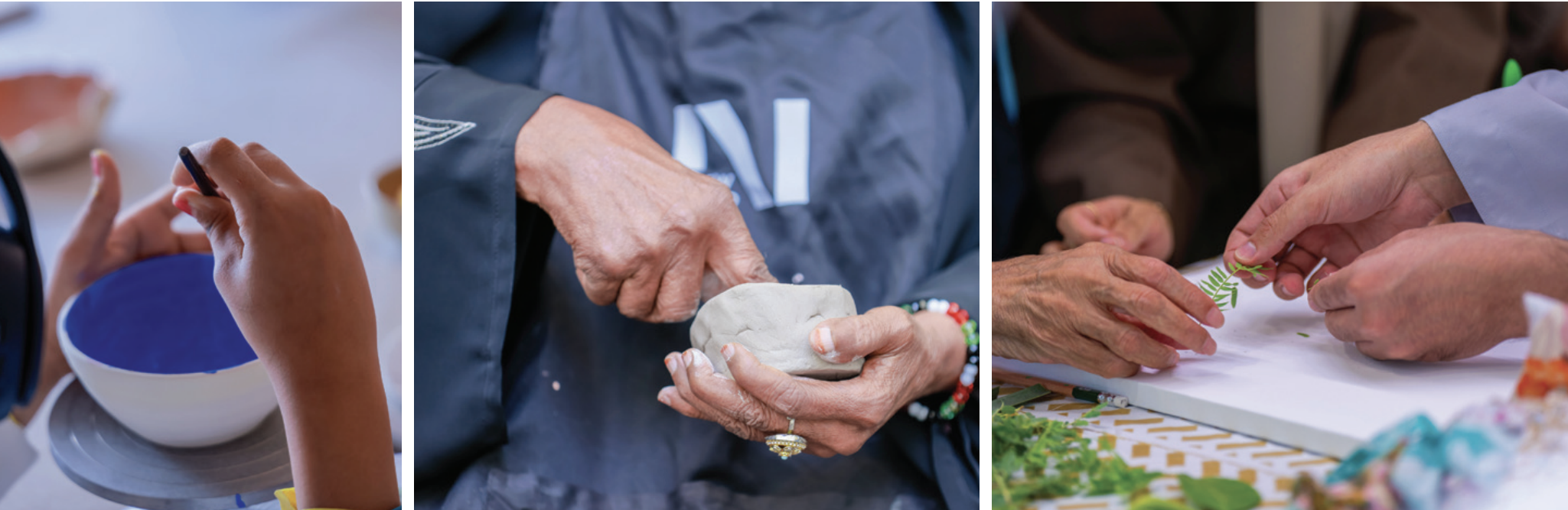
[L-R] From the early stages of planning, the museum has worked directly with People of Determination, special education centres, senior citizens, caregivers, individuals living with dementia and other groups who might face barriers accessing the museum, to co-design meaningful experiences. ©Zayed National Museum
“Their insight has allowed us to move beyond assumptions and create truly inclusive experiences,” Al Buainain explains. “They also enable us to extend our reach through outreach programmes and engagement initiatives across the United Arab Emirates.”
Zayed National Museum’s work is also closely aligned with the UAE’s broader vision for inclusion. Under the National Policy for Empowering People of Determination, launched in 2017, the UAE set out to become a fully inclusive society by removing barriers to participation across education, employment, culture and public life. The strategy, now embedded within the national agenda, emphasises dignity, autonomy and full societal integration for people of all abilities.
This policy commitment is echoed at an emirate level through the Abu Dhabi Strategy for People of Determination, which mandates co-design in planning, equitable access to the built environment and cross-sector training to embed inclusive practices. Zayed National Museum is among a new generation of cultural institutions translating those ambitions into lived reality. “Our aspiration is for Zayed National Museum to serve as a regional model for inclusive cultural practice,” says Al Buainain. “We hope our work demonstrates that accessibility and excellence are not mutually exclusive but in fact, mutually reinforcing. By setting new benchmarks, sharing our learnings and remaining in dialogue with our communities, we aim to foster a more welcoming cultural landscape across the region.”
Crucially, these collaborations are not treated as auxiliary or temporary, they are foundational to the museum’s operation. Programmes are reviewed regularly with community input and staff are trained in technical accessibility standards, communication, cultural sensitivity, and responsive care.
Zayed National Museum is not only redefining how visitors experience cultural heritage but also transforming institutional culture through staffing. The museum prioritises equitable recruitment practices, actively seeking staff of varied abilities, including People of Determination and providing tailored professional support for employees with additional needs. Zayed National Museum’s staff undergo comprehensive training in accessibility, communication, and cultural sensitivity, ensuring they can respond with empathy and skill.
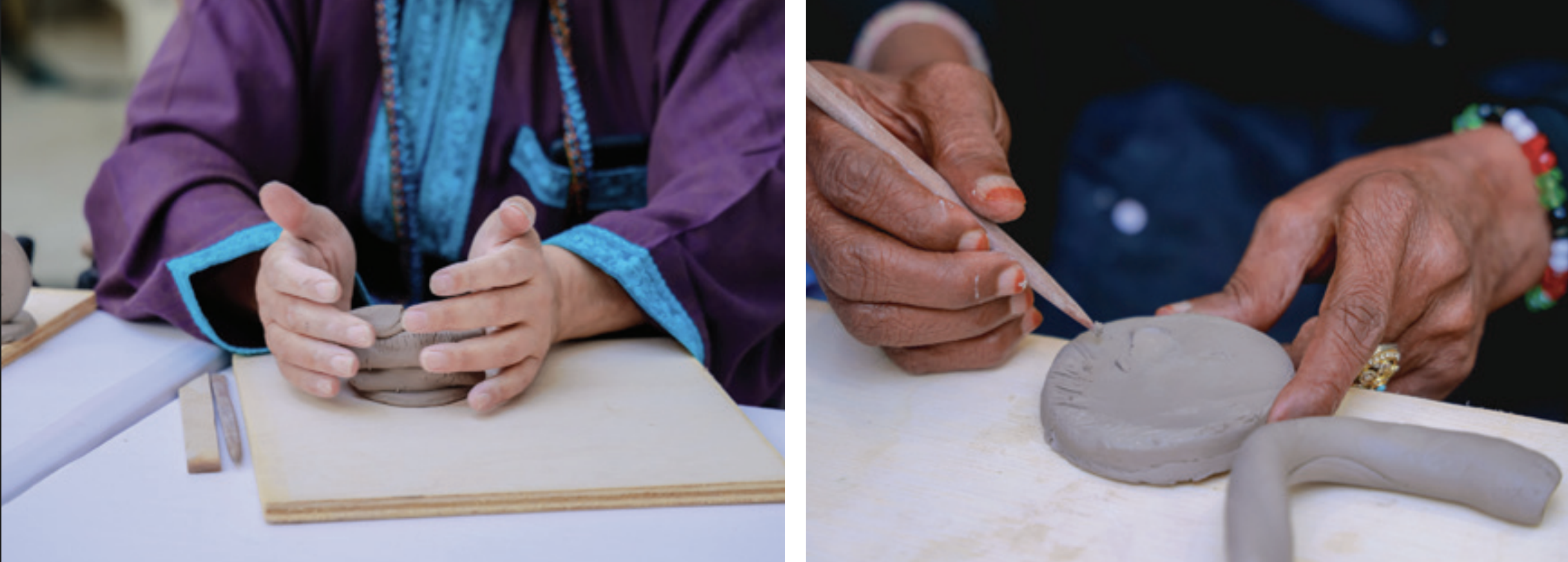
[L-R] Zayed National Museum’s work is also closely aligned with the UAE’s broader vision for inclusion. ©Zayed National Museum
As Al Buainain notes: “We recognise that accessibility begins with our team. By building a work culture grounded in dignity, care and mutual respect, we are not just welcoming diverse audiences, we are building a workforce that reflects them.”
Returning to the visitor journey, after navigating sensory spaces, engaging tactile stations and encountering staff ready to assist, visitors proceed into the museum’s six permanent galleries. In ‘Our Beginning’ gallery, personal artefacts, photographs and rare film footage tell the story of a leader who once said: “To treat every person no matter their creed or race, as a special soul is a mark of Islam.” The gallery’s design is interactive and immersive, combining large-scale audiovisual displays, spatial soundscapes and tactile interactives that allow visitors to explore Sheikh Zayed’s early life in Al Ain, his archaeological interests and his dedication to forming a society built upon justice and equality. These layered narratives not only bring history to life; they invite each visitor to see themselves within it. By highlighting moments where Sheikh Zayed extended compassion across generational or diverse backgrounds, the gallery reinforces the message that everyone has a place in the national story. Therefore, accessibility is underscored as an active commitment to belonging.
Within the permanent galleries, visitors engage with stories of early desert communities and coastal communities, falconry and archaeological relics dating back 300,000 years of human history. Highlights include a full-size Magan Boat and the 8,000-year-old Abu Dhabi Pearl.
As visitors move through ‘Our Beginning’ gallery, which sheds light on the life and legacy of Sheikh Zayed, they can enjoy an engaging experience guided by his values and shaped by consultation—and an unwavering commitment to national cohesion. Objects, images and archive film and audio bring the visitor on a powerful journey that explores how Sheikh Zayed’s vision resulted in the formation of the UAE. The museum’s commitment to accessibility, as reflected in every sensory guide, quiet hour and access programmes, is a deliberate enactment of Sheikh Zayed’s values by a team that sees cultural participation as a universal right.
By embedding access into every facet of the visitor experience, Zayed National Museum puts Sheikh Zayed’s strategy into action. The comprehensive accessibility strategy is a continuation of a legacy that prioritised the community as a whole and in bringing it front and centre, the museum ensures that Sheikh Zayed’s compassion is an enduring quality, one that still resonates into today and into the future.
The final moments in the museum linger in the Al Masar Garden, an outdoor gallery that extends from the building entrance. Here, native ghaf trees, a falaj and stone pathways are places for reflection. In this open-air space, the soaring architecture above – shaped like falcon wings in flight lifting from the desert – feels less monumental and more intimate, as if drawn upward by the same aspirations that guided Sheikh Zayed’s vision.
Zayed National Museum reflects the soul of the nation through access, through empathy and through a commitment to ensuring that every individual, regardless of ability, is welcomed not just as a visitor, but as a participant in the living heritage of the UAE.
ACCESSIBILITY FEATURES AT A GLANCE
Zayed National Museum’s commitment to accessibility includes a comprehensive suite of services and infrastructure:
Wheelchair-accessible routes and lifts throughout the building
Calm Room: a quiet space for sensory regulation
Sensory Kits: available at the information and ticketing desk
Sensory Map: highlighting low- and high-stimulation areas
Visual Story Guide: designed for visitors with learning disabilities
Quiet Morning: reduced lighting and sound
Al Dhuha Hour Programme: for senior citizens and those living with dementia and their families
General Tour in Emirati Sign Language Tours: led by Deaf Museum Experience Specialists
Braille materials, captioned videos, and tactile interpretation
Beyond Sight and Sensory Journeys programmes: multi-sensory experiences tailored for visually impaired and neurodivergent visitors
KEY COMMUNITY PARTNERS
Zayed National Museum’s accessibility strategy is built in close collaboration with community and government partners, including:
Zayed Higher Organization for People of Determination
Al Amal Psychiatric Hospital
Authority of Social Contribution - Ma’an
Ministry of Family and Community Development
Department of Community Development
Abu Dhabi Judicial Department
Mohammed bin Rashid Centre for Special Needs
These partnerships support programme development, evaluation, training and outreach initiatives across the UAE.
PLANNING YOUR VISIT – ACCESSIBILITY HIGHLIGHTS
Location: Zayed National Museum, Saadiyat Cultural District, Abu Dhabi
Opening: December 2025
ACCESSIBILITY HOURS & PROGRAMMES:
Quiet Morning: First Sunday of every month, 9am to 10am Reduced lighting and sound for visitors with sensory sensitivities
Al Dhuha Hour Programme: Second Monday of every month, 10am to 11am Specially designed for senior citizens and those living with dementia
General Tour in Emirati Sign Language: The twice daily, except weekends, led by Deaf Museum Experience Specialists
ON-SITE ACCESSIBILITY SERVICES:
Sensory Kits available at the Ticketing and Information Desk
Calm Room for visitors needing a quiet space
Visual Story Guide and Sensory Map available online and on-site
Accessible entrances, lifts and restrooms throughout
Website: zayednationalmuseum.ae